
Is the LG C5 the best TV you can buy in 2025?
For the vast majority of people, the answer is a resounding yes.
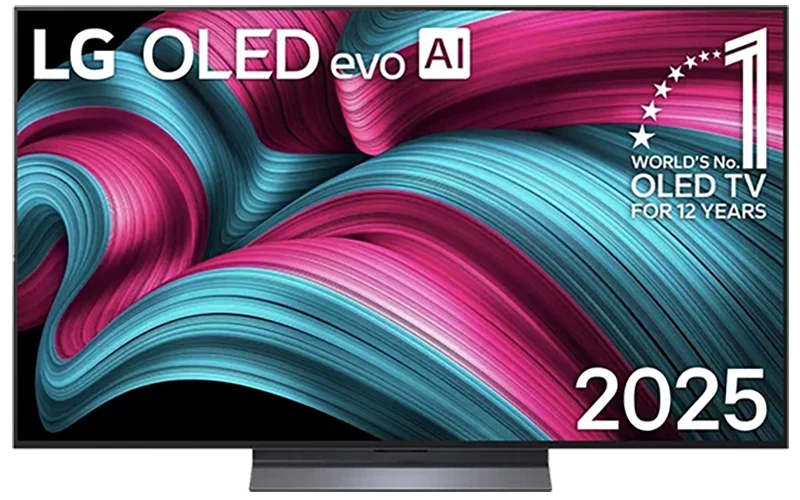
For nearly a decade, the LG "C" series has been the benchmark for high-end televisions. It sits comfortably in the "sweet spot" of the LG OLED lineup—offering flagship-level performance without the astronomical price tag of the gallery-design "G" series or the exotic wireless "M" series.
The LG C5 arrives with a heavy burden: it has to succeed the immensely popular C4. Positioned as the premium mid-range model in LG's 2025 lineup, the C5 isn't trying to reinvent the wheel. Instead, its key selling point is refinement. With the new Alpha 9 Gen 8 AI Processor, improved brightness capabilities, and a polished webOS 25 interface, it promises to be the ultimate "do-it-all" screen for movie buffs, streamers, and hardcore gamers alike.
While competitors are chasing blindingly high brightness numbers, LG has focused on balance. The C5 is designed to be the TV that just works—perfectly—with every device you own, right out of the box.
The Gold Standard of OLED
For nearly a decade, the LG "C" series has been the benchmark for high-end televisions. It sits comfortably in the "sweet spot" of the LG OLED lineup —offering flagship-level performance without the astronomical price tag of the gallery-design "G" series or the exotic wireless "M" series.
The LG C5 arrives with a heavy burden: it has to succeed the immensely popular C4. Positioned as the premium mid-range model in LG's 2025 lineup, the C5 isn't trying to reinvent the wheel. Instead, its key selling point is refinement.
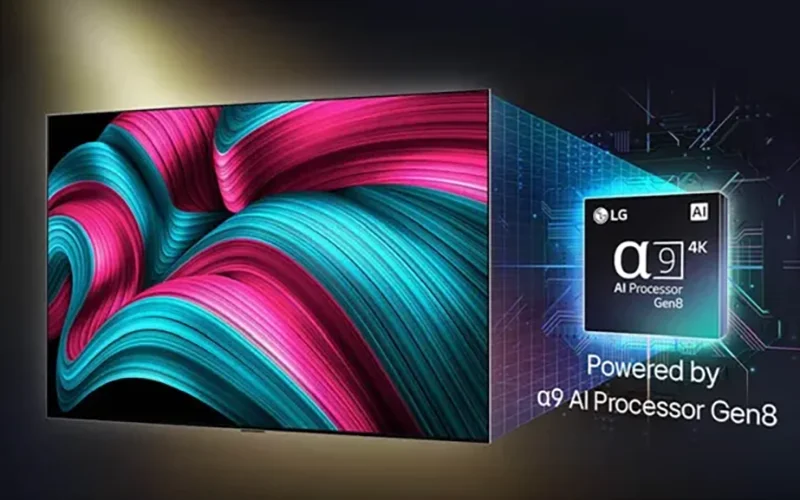
With the new Alpha 9 Gen 8 AI Processor, improved brightness capabilities, and a polished webOS 25 interface, it promises to be the ultimate "do-it-all" screen for movie buffs, streamers, and hardcore gamers alike.
While competitors are chasing blindingly high brightness numbers, LG has focused on balance. The C5 is designed to be the TV that just works—perfectly—with every device you own, right out of the box.
Panel Technology and Picture Quality
WOLED with Brightness Booster
The LG C5 utilizes a WOLED (White OLED) panel branded as OLED evo. unlike standard LED/LCD TVs that require a backlight to push light through pixels, every single pixel in the C5 is self-lighting. This allows individual pixels to turn off completely, creating perfect, inky blacks that no LCD or Mini LED TV can match.
While the flagship G5 model uses MLA (Micro Lens Array) technology to reach blinding brightness, the C5 uses LG’s Brightness Booster. This is a combination of panel efficiency tweaks and processing algorithms that allows the C5 to hit significantly higher peak luminance than older OLEDs, ensuring it holds its own even in well-lit rooms.
Resolution and Smoothness
- Resolution: 4K Ultra HD (3840 x 2160).
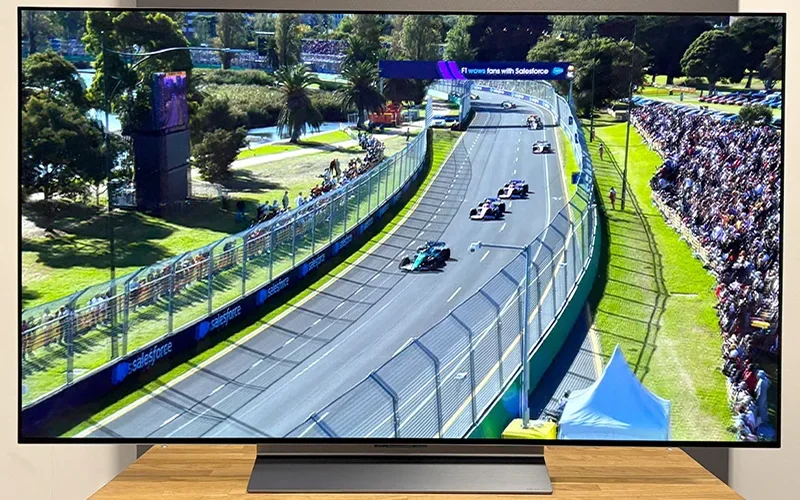
- Native Refresh Rate: The panel runs natively at 120Hz, but uniquely, it supports up to 144Hz for PC gaming. For the viewer, this high refresh rate translates to incredibly smooth motion in sports and action movies, eliminating the "stutter" often seen in cheaper 60Hz panels.
The Brains: Alpha 9 AI Processor Gen 8
At the heart of the C5 is the new Alpha 9 AI Processor Gen 8. This chip is the "secret sauce" behind the picture quality.
- AI Super Upscaling: It uses deep learning to analyze low-resolution content (like 1080p broadcast TV or YouTube videos) and upscale it to 4K. The Gen 8 chip is particularly good at distinguishing between "noise" (film grain) and actual detail, cleaning up the image without making faces look waxy or artificial.
- Object Enhancing: The processor identifies faces and objects in the foreground and gently sharpens them to create a quasi-3D effect, separating them from the background naturally.
Brightness: Punchy, But Not Blinding
Brightness is the most common concern with OLEDs. The C5 hits a peak brightness of approximately 1,200 nits (in a 10% window).
- Real World Performance: In a dark or average living room, this is dazzlingly bright. HDR highlights (like sparks or streetlights) pop with intensity.
- Bright Rooms: While it fights reflections well, in a sun-drenched room with floor-to-ceiling windows, a premium Mini LED (like the Samsung Neo QLED or Sony Mini LED) might still be a better choice due to higher full-screen brightness.
Contrast and Black Levels
This is where the C5 shines. Because each pixel controls its own light, there is zero blooming. In a scene with a bright moon against a dark sky, the sky remains pitch black right up to the edge of the moon. This "infinite contrast" gives the image a depth and dimensionality that LCDs simply cannot replicate.
Color Performance
- Technology: The WOLED panel covers nearly 100% of the DCI-P3 color space.
- Accuracy: Out of the box, the "Filmmaker Mode" is exceptionally accurate. Colors are rich and saturated but maintain a natural look thanks to the processor's improved tone mapping, avoiding the radioactive greens and reds sometimes seen on competitors.
HDR Support
The C5 supports the following High Dynamic Range formats:
- Dolby Vision: The gold standard for streaming and 4K Blu-rays.
- HDR10 & HLG: The standard formats for broadcast and basic HDR.
- Note: Like all LG TVs, it does not support HDR10+ (Samsung's rival format to Dolby Vision).
Why Dolby Vision Matters: Dolby Vision uses dynamic metadata to adjust brightness and contrast frame-by-frame. Since OLEDs have a physical brightness limit, Dolby Vision helps the TV decide exactly how to display super-bright scenes without losing detail, ensuring a cloud looks like a fluffy object rather than a white blob.
Operating System and Smart TV Features
Platform: WebOS 25
LG has committed to 5 years of OS updates meaning your C5 will stay fresh until 2030.

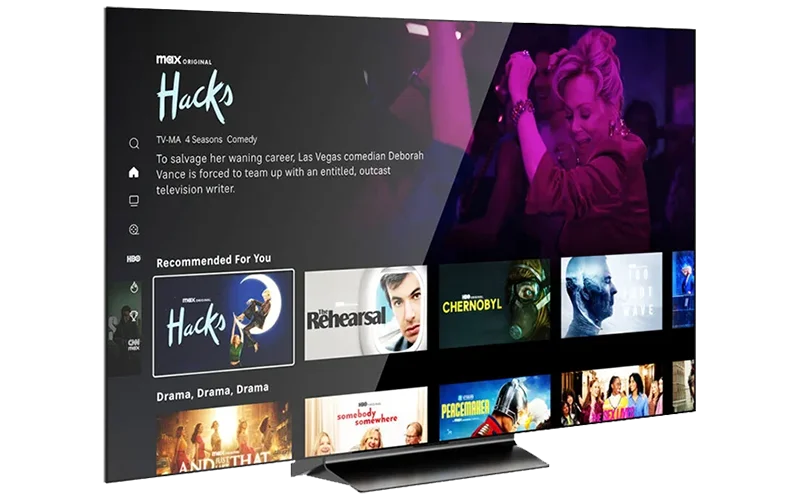
- Interface: webOS 25 continues the "Quick Cards" layout, organizing apps into folders like "Game," "Music," and "Home Office." It is snappy and responsive thanks to the new chip.
- The Downside: The interface does feature sponsored content (ads) on the home screen, which can be annoying on a premium product.
- Smart Features:
- Chromecast Built-in: Finally standard, allowing easy casting from Android devices without extra dongles.
- Matter Support: The TV acts as a smart home hub for Matter-compatible devices, letting you control lights and thermostats from the TV dashboard.
- Voice: Built-in Alexa and Google Assistant compatibility.
Streaming: Every major app is present: Netflix, Disney+, Amazon Prime Video, Max, YouTube, Apple TV+, and more. The TV supports Filmmaker Mode auto-switching on Prime Video, instantly removing motion smoothing for movies.
Audio System
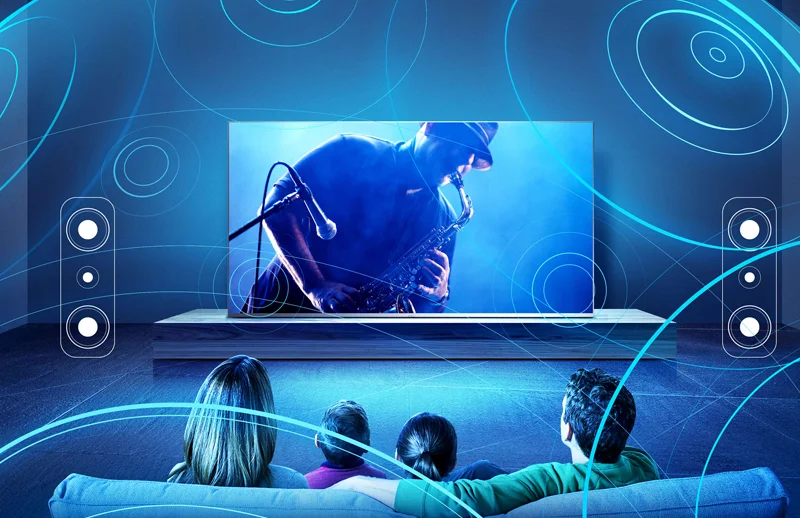
- Configuration:2-Channel system with downward-firing speakers.
- Power: 40 Watts.
- Formats: Supports Dolby Atmos and DTS:X.
- Performance: The AI Sound Pro feature attempts to virtualize sound into a 9.1.2 surround mix. It creates a surprisingly wide soundstage, and dialogue is crisp and clear (aided by the "Clear Voice" AI). However, like all thin TVs, it lacks bass impact. Explosions will sound flat compared to the visual punch of the screen.
- eARC: HDMI Port 2 is an eARC (Enhanced Audio Return Channel)
- Expert Tip: Buy a soundbar. The C5 supports WOW Orchestra, which allows the TV speakers to work in sync with compatible LG soundbars for a fuller sound.
Gaming Performance
The undisputed best gaming TV on the market.
If you are a gamer, the LG C5 is the benchmark. Other TVs might be brighter, but none offer the compatibility and feature set of the C series.
- PC Monitor Use: The 42-inch and 48-inch models are widely considered the best high-end PC monitors available due to their pixel density and response time.
- HDMI 2.1: The C5 features four full-bandwidth (48Gbps) HDMI 2.1 ports.21
- Why this matters: Many competitors (like Sony or Panasonic) only offer two high-speed ports, one of which is often the audio port. On the C5, you can connect a PS5, Xbox Series X, and a High-End PC simultaneously, and still have a port left for a soundbar.
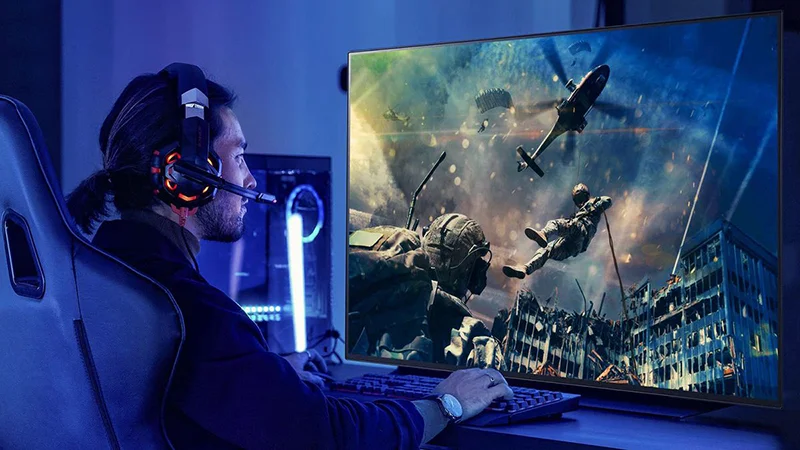
- Native Refresh Rate: It supports up to 144Hz (via VRR), making it buttery smooth for PC gamers with high-end graphics cards (NVIDIA RTX 40/50 series).
- VRR Support:
- NVIDIA G-Sync Compatible
- AMD FreeSync Premium
- Standard HDMI Forum VRR
- Game Optimizer Dashboard: Pressing the settings button while gaming brings up a dedicated overlay. Here you can check your FPS, toggle genre modes (FPS, RPG, RTS), and adjust "Black Stabilizer" to see enemies hiding in shadows without washing out the whole image.
Design, Build Quality, and Remote Control
WOLED with Brightness Booster
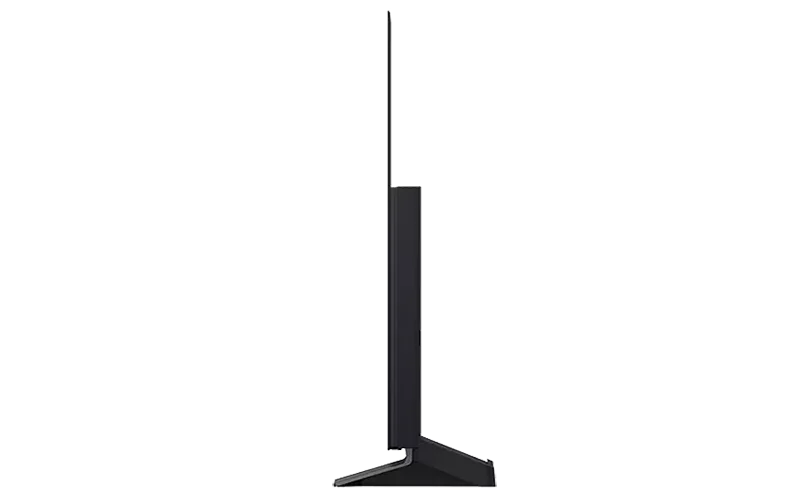
- Design: The C5 sports a nearly bezel-less "Cinema Screen" design. The panel itself is razor-thin (measured in millimeters) at the top, bulging out only at the bottom third to house the electronics and speakers.
- Build Quality: LG uses a composite fiber material for the back panel. This makes the TV significantly lighter than older glass-backed models.
- Stand: The 55" and larger models come with a central metal pedestal stand that looks premium and fits on smaller furniture. The 42" model comes with two "feet" widely spaced apart.
-
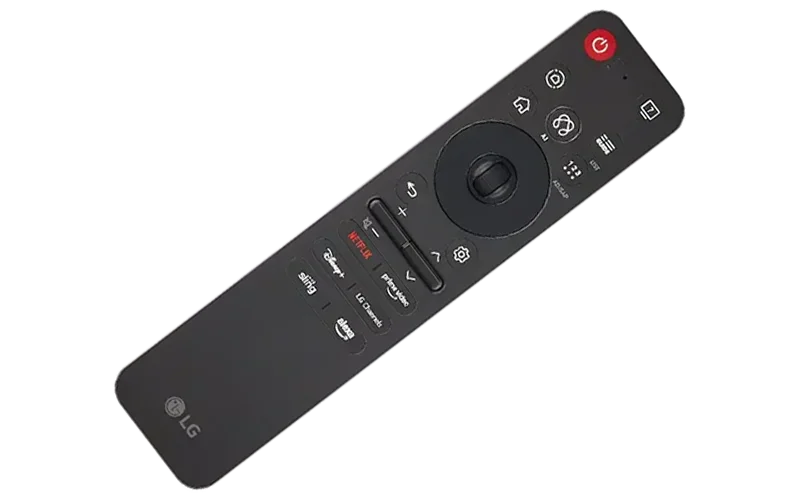
- Remote Control: The Magic Remote It functions like a Nintendo Wii controller—you point it at the screen to move a cursor. It creates a fast, mouse-like experience for typing passwords or clicking icons. It also includes dedicated buttons for Netflix, Disney+, and Alexa.
Available Sizes
The C5 offers the widest range of sizes in the industry:
- Desktop/Bedroom: 42", 48"
- Living Room: 55", 65"
- Home Theater: 77", 83"
Main Competitors and Comparison
- Samsung S95F (QD-OLED):
- The Difference: Samsung uses Quantum Dot OLED.30 This panel technology allows for brighter, more vibrant colors, particularly in high-brightness scenes (reds and yellows pop more).
- Pros: Brighter panel, incredible color volume.
- Cons: No Dolby Vision support. The screen has a matte finish that diffuses reflections but can raise black levels in bright rooms (blacks look slightly purple).
- Sony Bravia 8 (WOLED):
- The Difference: Uses a similar panel to the LG C5 but with Sony's "XR Processor."
- Pros: Sony's processing for low-bitrate content (streaming) and motion handling is often considered slightly superior for pure movie watching. Seamless PS5 integration.
- Cons: Only two HDMI 2.1 ports. Generally more expensive ("Sony Tax").
- LG B5 (OLED):
- The Difference: The "step down" model.
- Pros:
- Cons: Uses a dimmer panel and an older/lower-tier processor. Only has two HDMI 2.1 ports. The C5 is worth the extra money for the brightness alone.
Conclusion and Verdict
Overall Score: 9.5/10
- The LG C5 is a masterclass in consistency. It doesn't have the experimental tech of the highest-end flagships, but it balances price, performance, and features better than any other TV on the market. It is the safe, smart choice for 90% of buyers.
Pros:
- Stunning contrast and perfect blacks (OLED).
- Four full-bandwidth HDMI 2.1 ports (Best in Class for gamers).
- Excellent brightness for an OLED (Brightness Booster).
- Dolby Vision and DTS:X support.
- Broadest range of sizes (42" to 83").
Cons:
- Still not as bright as Mini LED TVs for very bright rooms.
- No HDR10+ support.
Final Recommendation:
-
- For Gamers: This is the Holy Grail. Buy it immediately.
- For Movie Lovers: The C5 is an incredible cinematic display. Unless you have a dedicated theater room (in which case, look at the G5 or Sony A95L), this is all the TV you need.
- For Bright Living Rooms: If your room has no curtains and direct sunlight hits the screen, consider a Mini LED (like the Samsung QN90 or Sony Bravia 7) instead. For everyone else, the C5 is the King.

We earn a commission if you make a purchase, at no additional cost to you.