
In the rapidly evolving landscape of home entertainment, few brands have disrupted the status quo as aggressively as TCL. For years, the "big three"—Sony, Samsung, and LG — held an iron grip on the premium television market.
However, the dawn of the 2020s saw a seismic shift. TCL didn't just participate; they pioneered.
By being one of the first manufacturers to commercialize Mini-LED technology, they proved that "premium" didn't have to mean "unattainable."
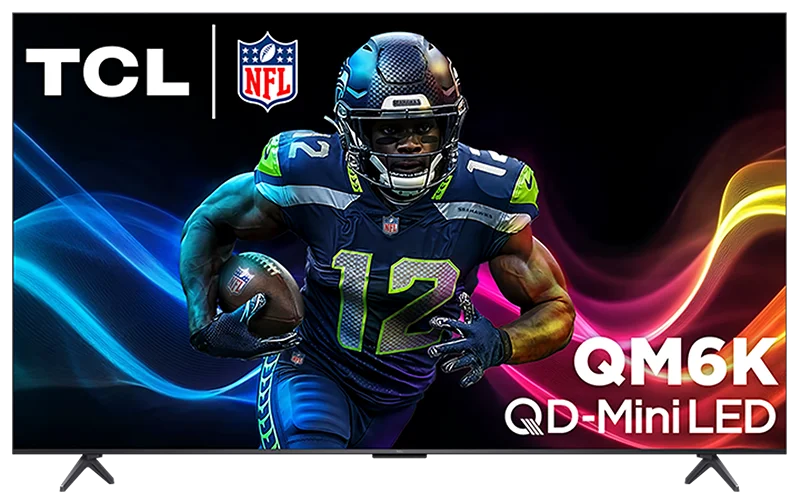
As we move through 2025, the TCL QM6K stands as a testament to this philosophy. It is a television designed for the modern living room, bridging the gap between entry-level QLEDs and the ultra-bright, high-zone flagships.
In this exhaustive review, we will dissect every pixel, processor cycle, and gaming feature of the QM6K to determine if it truly is the best value Mini-LED of the year.
Introduction: Where the QM6K Sits in the 2025 Lineup
TCL’s 2025 lineup is more segmented than ever, providing a clear path for every type of buyer.
At the top of the mountain sits the QM9K and the legendary 115-inch flagships, which offer thousands of dimming zones and eye-searing brightness.
Below those are the QM8K and QM7K, which are the "enthusiast" picks.
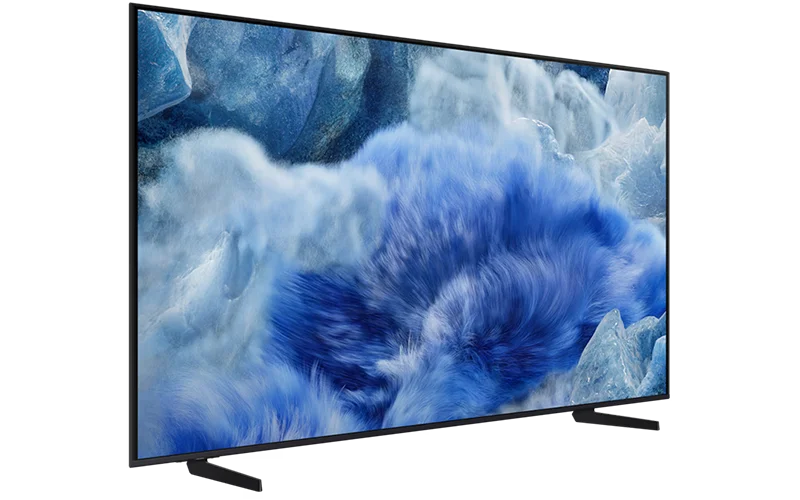
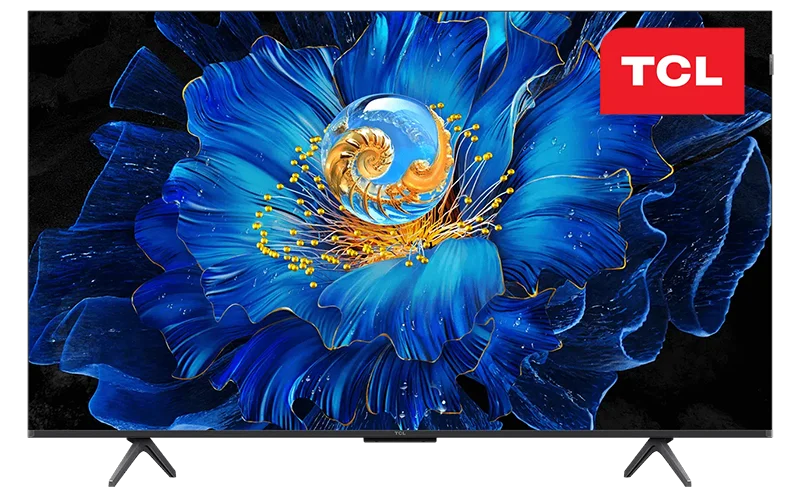
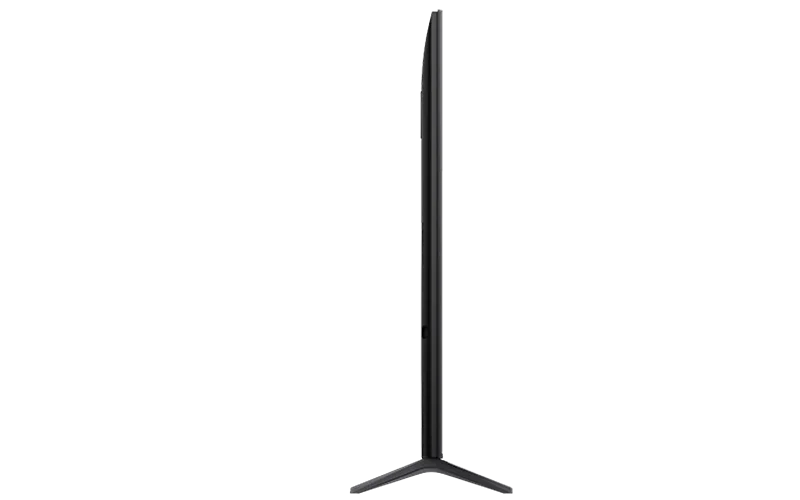
The TCL QM6K is the pivotal entry point into the QD-Mini LED family. It is classified as the "High Performance" mid-range model.
While previous generations of the 6-series were often standard QLEDs or featured limited local dimming, the "K" revision for 2025 brings full-fledged Mini-LED technology to a much wider audience.
The key selling point of the QM6K is unprecedented brightness and contrast for the price. It utilizes TCL’s new Halo Control System, a suite of technologies previously reserved for their most expensive displays, to provide a "halo-free" viewing experience.
The landscape of home entertainment has shifted dramatically over the last decade. There was a time when the gap between a "budget" television and a "flagship" model was a chasm of quality that few could ignore.
If you wanted the deepest blacks, the brightest highlights, and the smoothest motion, you had to be prepared to spend the equivalent of a down payment on a car. But as we move further into 2025, that chasm is closing, and the primary architect of this change is TCL.
TCL has transitioned from a manufacturer of high-volume, low-margin budget sets to a global powerhouse in display technology. The TCL QM6K is the latest and most refined expression of this strategy.
In the 2025 lineup, the QM6K occupies the critical "High-Performance Value" slot. It sits below the ultra-bright QM8K and the enthusiast-grade QM7K, but it is the first model in the stack to offer the transformative power of QD-Mini LED technology.
Its key selling point is simple yet ambitious: to provide a premium, Mini-LED experience at a price point that puts standard LED and entry-level QLED TVs on notice.
Whether you are a movie buff watching Dune: Part Two in a dark room or a gamer playing Apex Legends in a sun-drenched den, the QM6K aims to be the ultimate all-rounder.
Panel Technology and Picture Quality
The Science of the QD-Mini LED
At the heart of the QM6K lies the QD-Mini LED panel. To appreciate why this is a massive leap over traditional televisions, we have to look at how a TV produces light. A standard LED TV uses large light-emitting diodes (LEDs) to illuminate a liquid crystal display (LCD) from behind. Because these LEDs are large, they struggle to turn off in small areas, leading to "light bleed" where dark scenes look gray and washed out.
Mini-LED tech changes the game by shrinking those diodes down to a fraction of their original size. This allows for far more light sources to be packed into the same area. The QM6K utilizes LD500 Precise Dimming, meaning it features up to 500 independent local dimming zones. This allows the TV to precisely control light: it can blast a bright sun in one corner of the screen while keeping the shadows of a cave perfectly black in the other.
The "QD" stands for Quantum Dots. These are nanocrystals that, when struck by the Mini-LED backlight, produce incredibly pure red and green light. This "Enhanced QLED" layer allows the QM6K to reproduce a color gamut that covers over 95% of the DCI-P3 color space, resulting in a palette of over a billion distinct colors.
The HVA Panel: Contrast is King
While most budget TVs use IPS (In-Plane Switching) panels that offer decent viewing angles but poor contrast, TCL has opted for a high-performance HVA (High Vertical Alignment) panel for the QM6K. HVA technology is known for its exceptional native contrast—reaching ratios of 7000:1. This means even before the local dimming zones kick in, the panel itself is inherently better at blocking light to create deep, cinematic blacks.
Processing Power: The AiPQ Pro
A high-end panel is useless without a brain to control it. The QM6K is powered by the TCL AiPQ Pro Processor. This isn't just a standard chip; it's an AI-driven engine that uses deep learning to analyze content frame-by-frame.
-
AI-Upscaling: It takes low-resolution content (like a 720p cable broadcast or a 1080p YouTube video) and intelligently fills in the missing data to make it look nearly like native 4K.
-
AI-Contrast: It manages the 500 dimming zones with high precision, ensuring that "blooming" (the annoying glow around bright objects) is minimized.
-
AI-Color: It recognizes faces and landscapes, adjusting skin tones to look natural while making a sunset look as vibrant as it did in real life.
Refresh Rate and Motion
For the viewer, the 144Hz Native Refresh Rate is perhaps the most noticeable "premium" feature. Most mid-range TVs are capped at 60Hz. A 144Hz panel means the screen updates the image 144 times every second. This virtually eliminates motion blur during fast-paced action, such as a hockey puck flying across the ice or a high-speed car chase.
Brightness and HDR
The QM6K is designed to handle bright rooms with ease. While it doesn't reach the extreme 3000-nit peaks of its more expensive siblings, its HDR Peak Brightness (measured between 600 and 900 nits) is more than double that of a standard TV. This provides the "pop" needed for High Dynamic Range (HDR) content to feel immersive.
The QM6K supports a full suite of HDR formats:
-
HDR10 & HLG: The foundation for most streaming and live broadcasts.
-
HDR10+: Samsung's preferred dynamic format.
-
Dolby Vision IQ: The gold standard. It uses metadata to adjust the brightness and contrast of every scene. The "IQ" version utilizes the TV's built-in light sensor to adjust the picture based on the ambient light in your room—so a dark scene remains visible even during a sunny afternoon.
Operating System and Smart TV Features:
The Google TV Experience
TCL has moved away from older, clunkier interfaces in favor of Google TV. In 2025, Google TV is widely considered the most intuitive and content-focused platform available.
Rather than a screen full of app icons, Google TV presents you with a "For You" tab that pulls movie and show recommendations from all your subscribed services — Netflix, Disney+, Prime Video, Max, and YouTube—into one unified feed.

Performance and Usability
The combination of the AiPQ Pro processor and Google TV makes for a incredibly snappy user experience. Navigation is fluid, and apps launch almost instantly.
There is also a "Basic TV" mode for those who prefer a simpler, less-connected experience.
Smart Integration
The QM6K is a centerpiece for the modern smart home:
-
Hands-Free Voice Control: With a built-in mic array, you can simply say "Hey Google, find action movies" or "Hey Google, dim the lights" (if you have compatible smart bulbs).
-
Chromecast & AirPlay 2: Whether you use an Android or an iPhone, you can cast photos, videos, or music directly to the big screen with a single tap.
-
Apple HomeKit & Alexa: The TV is fully compatible with the major smart home ecosystems.
Audio System: Powered by Onkyo
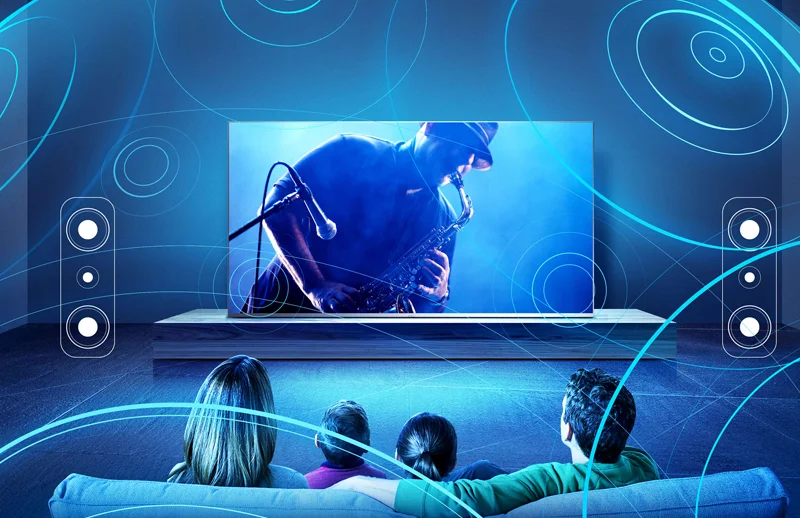
One of the biggest complaints about modern, ultra-thin TVs is their "tinny" sound. To combat this, TCL partnered with the legendary Japanese audio brand Onkyo.
-
Immersive Formats
The TV supports Dolby Atmos and DTS:X, providing a virtualized 3D soundstage. While it won't replace a dedicated surround sound system, it does a commendable job of making audio feel like it's coming from above and around you, rather than just from the bottom of the screen.
-
eARC Support
For those who want to connect a high-end soundbar or a home theater receiver, the QM6K includes an eARC (Enhanced Audio Return Channel) port. This allows for the transmission of uncompressed, high-bitrate audio (like Dolby TrueHD) through a single HDMI cable.
Gaming Performance: The Competitive Edge
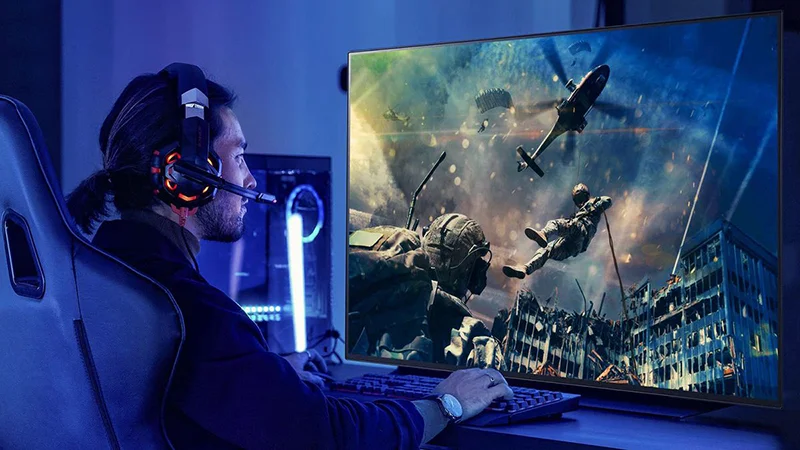
For many buyers in 2025, a TV is as much a gaming monitor as it is a screen for movies. The QM6K is built for the "Next-Gen" era and beyond.
HDMI 2.1 and High Frame Rates
The TV features four HDMI ports, two of which are Full-Bandwidth HDMI 2.1. This is crucial for owners of the PS5, Xbox Series X, or high-end PCs.
-
4K at 120Hz/144Hz: You can play games at the highest resolution and highest frame rates available on consoles.
-
Game Accelerator 288: For PC gamers, the TV can utilize a specialized mode to reach up to 288Hz (at 1440p resolution), providing the kind of motion clarity usually reserved for $1,000 gaming monitors.
Gaming Tech Suite
-
AMD FreeSync Premium Pro: Ensures that your screen never "tears" even when the game's frame rate fluctuates during heavy action.
-
ALLM (Auto Low Latency Mode): The TV automatically detects a console and switches to its lowest latency mode, ensuring your button presses happen instantly on screen (input lag is measured at a lightning-fast <5ms).
-
Game Bar 3.0: A dedicated pop-up menu that lets you check your FPS, adjust shadow detail to see enemies in the dark, and toggle VRR settings without leaving your game.
Design, Build Quality, and Remote Control
Aesthetic
TCL calls the design of the QM6K FullView 360. It features a metal, bezel-less frame on three sides, making the screen appear to float in your room. The build quality is surprisingly robust, utilizing more metal than plastic in key structural areas, which prevents the "creaking" common in cheaper sets.
Remote Control
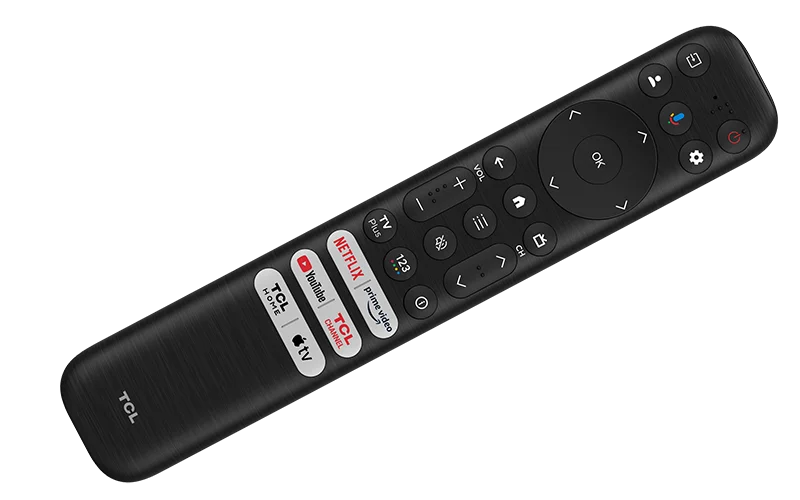
The 2025 remote is a major step up. It is a Backlit Bluetooth Remote, meaning you don't need to point it at the TV, and the buttons glow when you pick it up in a dark room. It features a dedicated button for the Google Assistant and quick-launch keys for major streaming apps.
Available Sizes
The QM6K is available in a wide range of sizes to suit any space:
-
50-inch (50QM6K)
-
55-inch (55QM6K)
-
65-inch (65QM6K)
-
75-inch (75QM6K)
-
85-inch (85QM6K)
-
98-inch (98QM6K)
Connectivity (Ports)
The QM6K is ready for any peripheral you throw at it:
-
HDMI: 4x (2x HDMI 2.1 for 144Hz, 2x HDMI 2.0 for 60Hz. One 2.0 port handles eARC).
-
USB: 1x USB 3.0 (for fast media playback) and 1x USB 2.0.
-
Audio: 1x Optical Digital Out, 1x 3.5mm Headphone Jack.
-
Networking: 1x Ethernet (LAN), Wi-Fi 5 (Dual-band).
-
Legacy: 1x RF Antenna input.
Main Competitors and Comparison
Hisense U7N: The most direct rival. The Hisense is slightly brighter but often suffers from more "red ghosting" in fast-motion scenes compared to the TCL.
Samsung Q80D: A great TV with better viewing angles, but it lacks Mini-LED backlighting and Dolby Vision support, making it less ideal for movie purists.
Sony Bravia 7: Sony's processing is world-class, but the Bravia 7 is significantly more expensive. The QM6K offers roughly 85% of the Sony's performance for 60% of the price.
Final Verdict and Recommendation
The TCL QM6K is arguably the most important TV in TCL's 2025 lineup. It represents the point where "luxury" display technology — Mini-LED — finally becomes affordable for the average family.
Pros:
-
Stunning Blacks: The 500 dimming zones virtually eliminate blooming.
-
Gaming Beast: 144Hz/288Hz support makes it a top-tier choice for consoles and PC.
-
Excellent Value: Punches way above its price class in contrast and color.
-
Smart Features: Google TV and hands-free voice control are seamless.
Cons:
-
Viewing Angles: Like all VA panels, the picture looks best from the front.
-
Brightness: It’s bright, but not "flagship-level" bright.
-
Reflection: The screen can be a bit glossy in high-sunlight rooms.
Who is this TV for?
If you are a gamer who wants the fastest response times, a movie lover who wants deep blacks without the "OLED burn-in" risk, or simply someone who wants the best 65-inch TV for under $1,000, the QM6K is your winner.
Overall Score: 9.1/10

We earn a commission if you make a purchase, at no additional cost to you.