
Sony BRAVIA 9 II Review (2026): Is True RGB the New TV King?
Sony BRAVIA 9 II: Sony's Flagship TV Takes a Different Route in 2026
The Sony BRAVIA 9 II is one of the most ambitious televisions Sony has released in years. Rather than simply making another conventional Mini LED TV brighter, Sony has changed the way the backlight produces color.
The 2026 BRAVIA 9 II uses what Sony calls True RGB technology. Its backlight uses individually controlled red, green and blue LEDs instead of relying on the more traditional blue or white LED backlight combined with a color-conversion layer.
The goal is straightforward: deliver the high brightness associated with premium LED televisions while producing richer, more precise colors across bright HDR scenes.
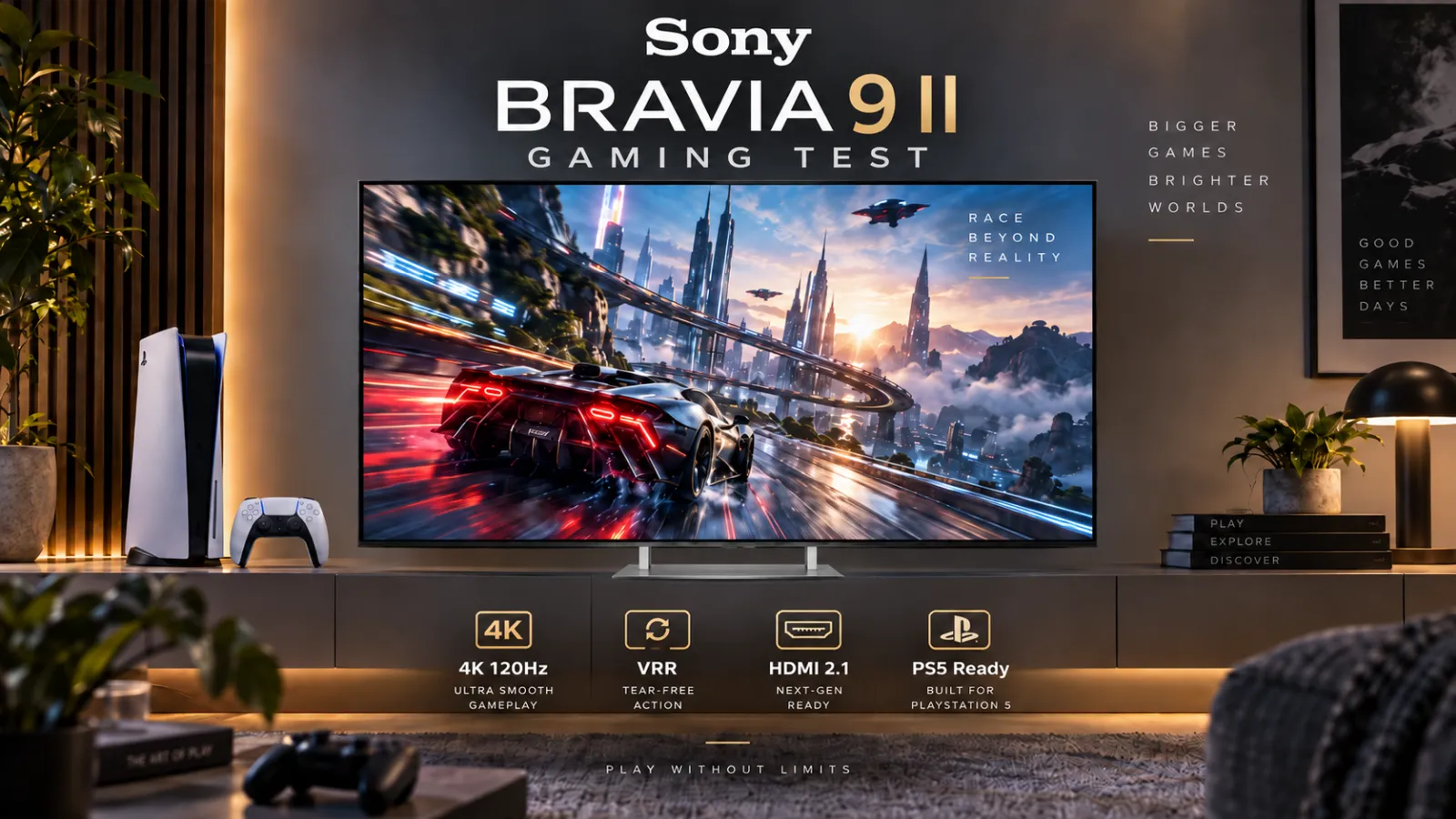
That makes the BRAVIA 9 II particularly interesting for movie fans and viewers with bright living rooms, but this is far from a cinema-only TV. It also offers a native 120Hz panel, Dolby Vision, VRR, 4K/120Hz gaming, Google TV and Sony's extensive PlayStation 5 integration.
It is not perfect, however. Gamers still get only two HDMI inputs with full 4K/120 capabilities, and there are some important differences between the regular models and the enormous 115-inch version.
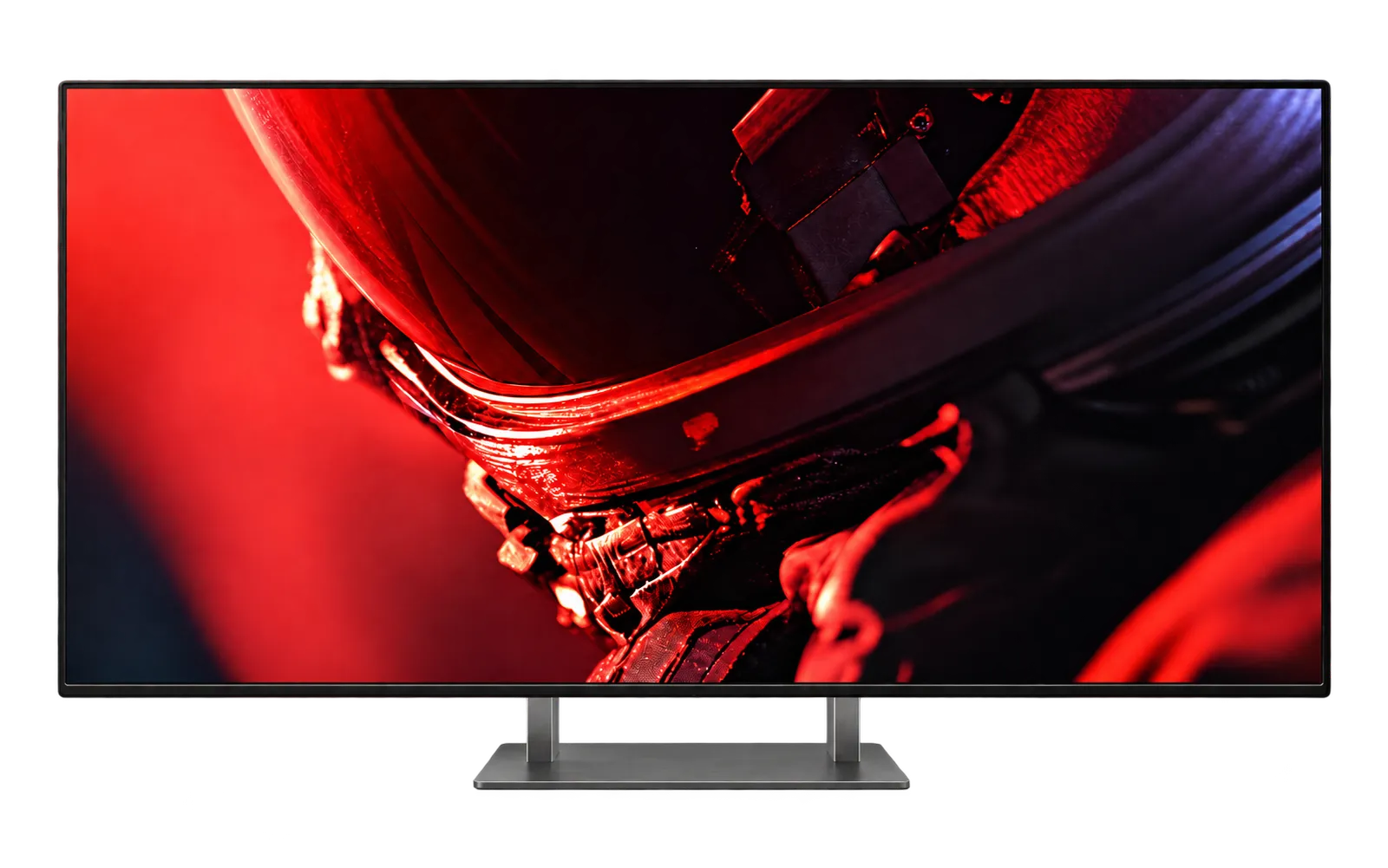
Sony BRAVIA 9 II Quick Verdict
The Sony BRAVIA 9 II is one of the most impressive premium LED TVs of 2026. Its combination of extremely high brightness, strong local dimming, exceptionally vivid HDR color and excellent picture processing makes it particularly compelling for movies, sports and daytime viewing.
Its biggest advantage over many OLED TVs is simple: brightness. Bright HDR highlights can look spectacular, while full-screen bright scenes remain punchy enough for rooms filled with daylight.
At the same time, Sony's local dimming is good enough to produce convincing blacks and surprisingly little visible blooming when viewed from the front.
The main compromise is gaming connectivity. While the BRAVIA 9 II supports 4K at 120Hz, VRR and ALLM, only HDMI 3 and HDMI 4 provide the full gaming feature set. PC gamers looking for 144Hz or 165Hz support will also need to look elsewhere.
For movie lovers who want a premium TV that works equally well during the day and at night, however, the BRAVIA 9 II belongs near the top of the 2026 shortlist.
Sony BRAVIA 9 II Specifications at a Glance
| Feature | Sony BRAVIA 9 II |
|---|---|
| Model year | 2026 |
| Display | 4K LCD with True RGB / RGB LED backlight |
| Resolution | 3840 × 2160 |
| Backlight control | RGB Backlight Master Drive Pro with local dimming |
| Processor | XR Processor |
| Refresh rate | 120Hz native |
| HDR | Dolby Vision, HDR10, HLG |
| Gaming | 4K/120Hz, VRR, ALLM, SBTM |
| HDMI | 4 total, two supporting VRR / 4K120 |
| Smart platform | Google TV |
| Wireless | Wi-Fi 6E, Bluetooth 5.3 |
| Audio | Acoustic Multi-Audio+, Dolby Atmos, DTS:X |
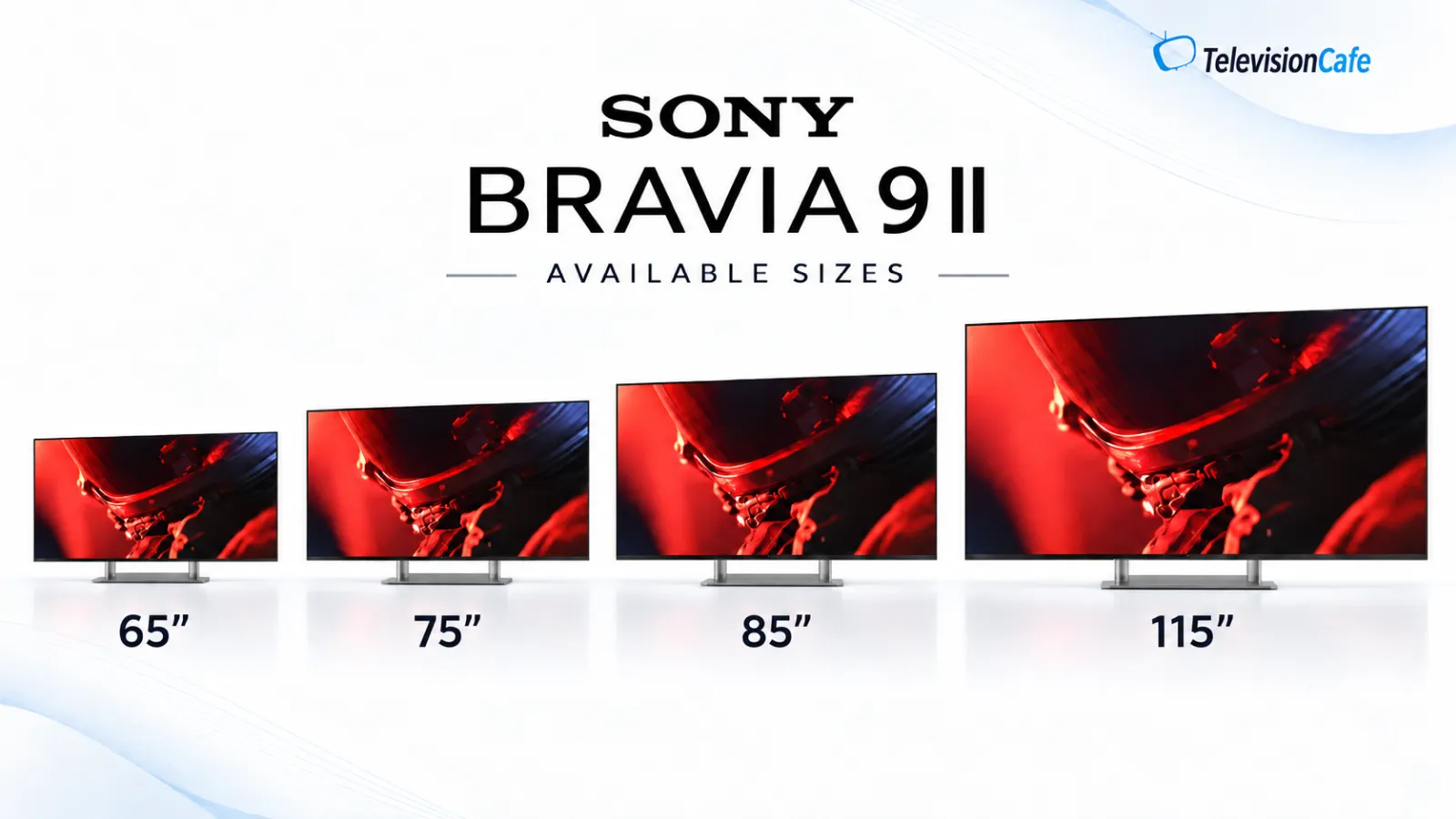
| Available sizes | 65, 75, 85 and 115 inches |
Some design, audio and anti-reflection specifications vary by screen size and region.
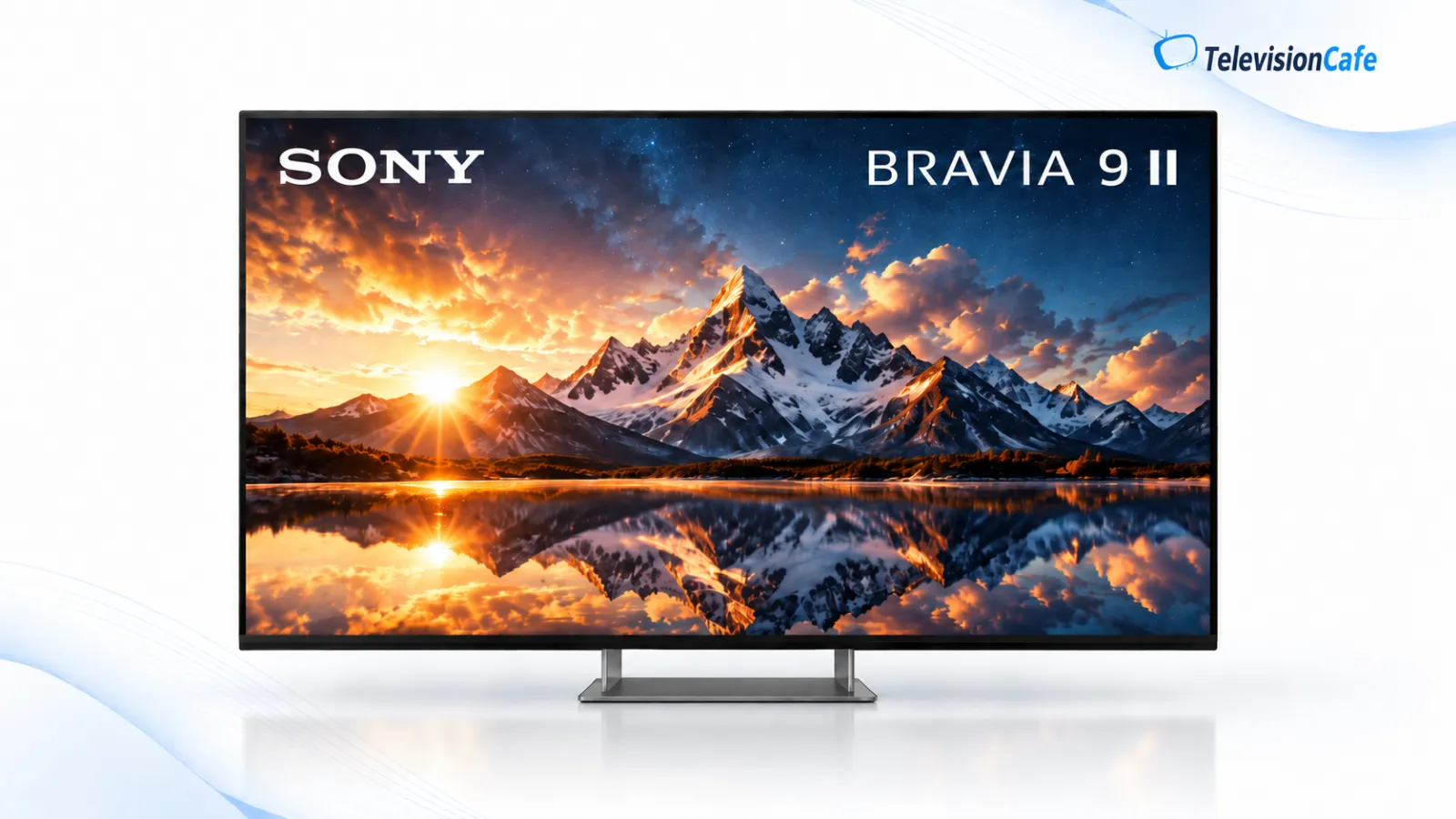
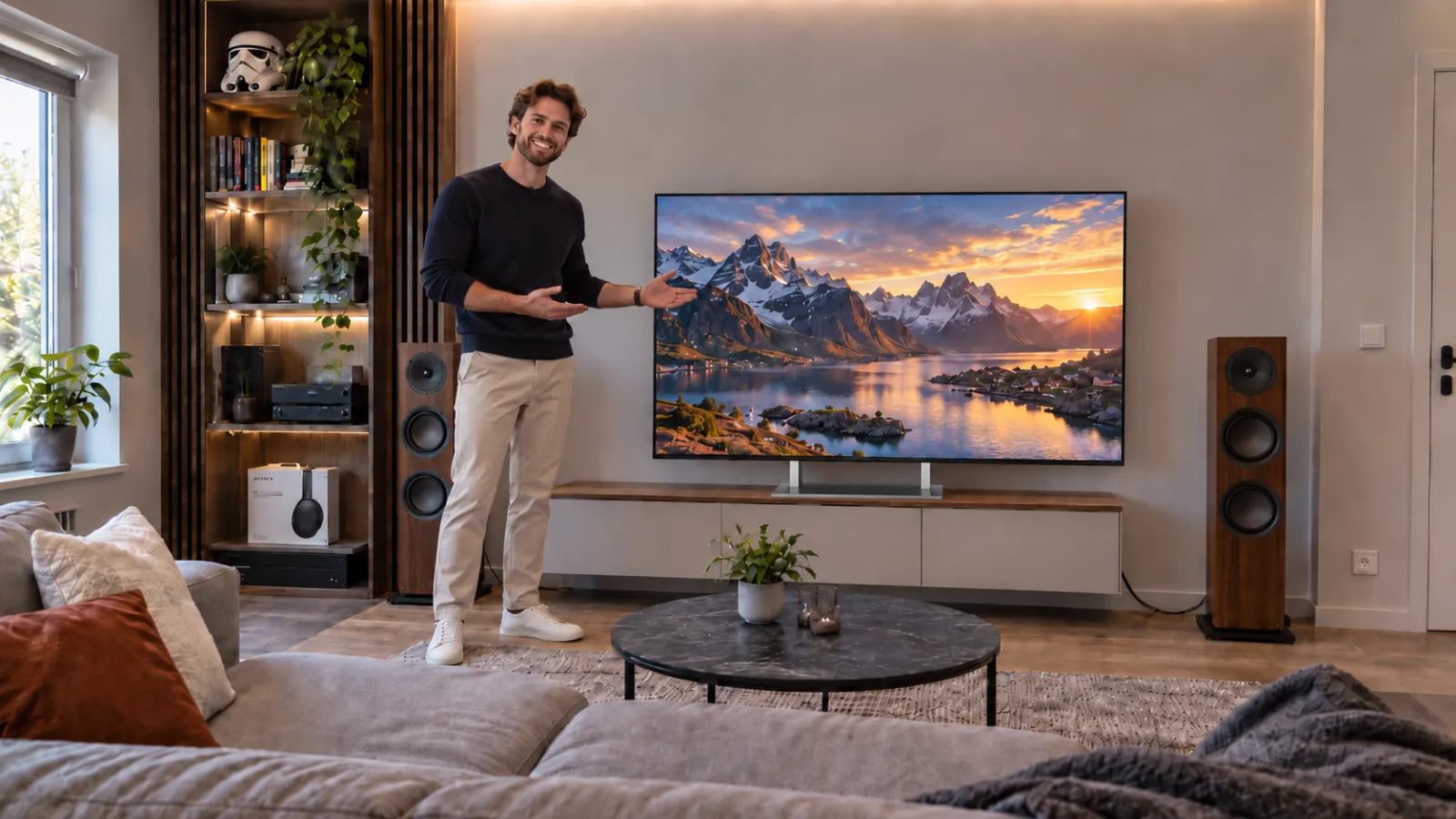
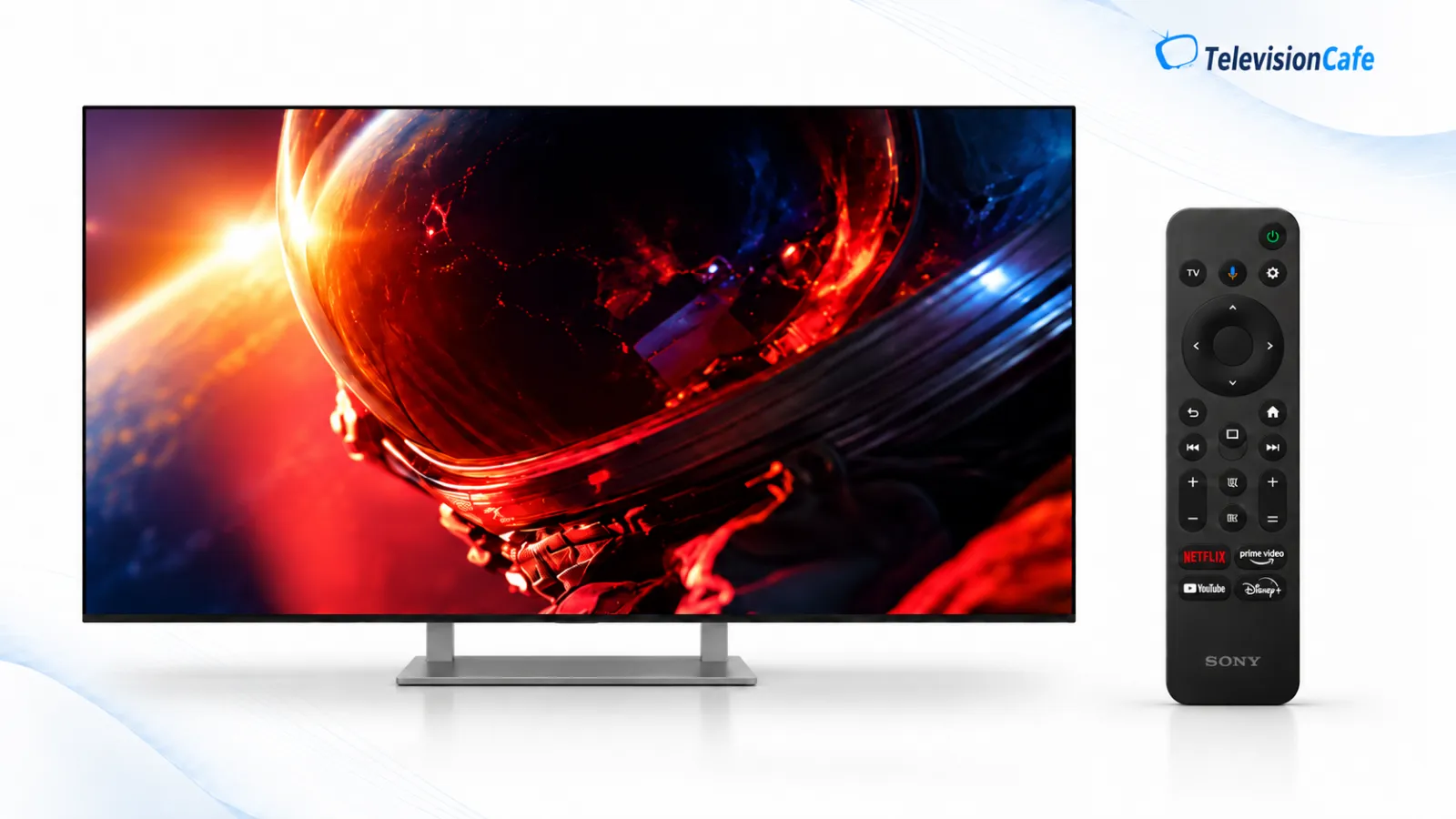
What Is Sony True RGB and Why Does It Matter?
The biggest story behind the BRAVIA 9 II is its True RGB backlight.
Traditional premium LCD TVs normally use a blue or white LED backlight and then rely on additional layers to create the colors you see on screen. Sony's new system instead uses separate red, green and blue light sources within the backlight.
This allows the television to control not only how much light reaches a particular area of the screen, but also the color of that light more directly.
Sony combines this hardware with RGB Backlight Master Drive Pro and its XR Processor. The result is particularly noticeable in very bright and saturated HDR objects such as neon signs, sunsets, fireworks, colored lights and intense reds or greens.
This technology should not be confused with OLED. The BRAVIA 9 II remains an LCD television with local dimming zones, so it cannot control every individual pixel's light output in the same way an OLED can.
Instead, Sony is trying to combine some of the strengths traditionally associated with premium LED TVs — especially brightness — with richer color reproduction than conventional Mini LED backlights can provide.
Picture Quality: Bright, Colorful and Impressively Controlled
The BRAVIA 9 II delivers exactly the kind of image you would expect from a flagship Sony TV: detailed, natural and extremely bright when the content calls for it.
Its greatest strength is not simply brightness for the sake of brightness. The television can combine very bright highlights with deep dark areas while retaining color saturation in intense HDR scenes.
Sony's XR Processor also plays an important role. Streaming video, broadcast television and lower-resolution material are analyzed and cleaned up before being displayed on the 4K panel.
This is an area where Sony continues to be particularly strong. Good processing is easy to overlook when watching pristine 4K demo footage, but it becomes much more important with compressed streaming services, older movies, YouTube videos and television broadcasts.
Gradients are also handled very well, helping skies, shadows and subtle color transitions appear smoother instead of breaking into visible bands.
HDR Performance: This TV Was Built to Get Bright
If HDR impact is near the top of your shopping list, the BRAVIA 9 II has a lot going for it.
Bright reflections, sunlight, headlights, explosions and other HDR highlights can look exceptionally intense. More importantly, the RGB backlight helps those bright objects retain vivid color instead of simply becoming brighter shades of white.
The TV supports Dolby Vision, HDR10 and HLG, giving it compatibility with the major HDR formats used by streaming services, Ultra HD Blu-ray discs and television broadcasts.
Sony also includes several Dolby Vision picture modes, including Dolby Vision Bright, Dark and Game, so the presentation can be adapted to both room lighting and content type.
For viewers coming from an older LED TV, the jump in HDR impact can be substantial. Even owners of previous premium Mini LED sets should notice stronger bright-scene performance and a wider range of intense colors.
Black Levels and Local Dimming: Can It Challenge OLED?
No LCD television can completely replicate the per-pixel light control of OLED, but Sony gets surprisingly close in many real-world scenes.
RGB Backlight Master Drive Pro controls the TV's local dimming zones with enough precision that dark scenes can look deep and convincing when viewed from directly in front of the screen.
Small bright objects such as stars, subtitles and lamps can still reveal some haloing because the backlight controls groups of pixels rather than individual pixels. That is a fundamental limitation of local-dimming LCD technology.
However, blooming is generally well controlled from a normal seating position, and the BRAVIA 9 II has enough brightness headroom to create enormous perceived contrast.
OLED remains the better choice if absolute black and perfect pixel-level contrast are your priorities. The Sony fights back with far greater brightness in demanding scenes and no traditional OLED concern about permanent image retention from static content.
Sony BRAVIA 9 II in a Bright Room: One of Its Biggest Strengths
The BRAVIA 9 II is particularly easy to recommend for a bright living room.
First, it has enough raw brightness to compete with sunlight and strong indoor lighting. Sports, daytime television and bright movies maintain plenty of punch even when the room is not darkened.
Second, the 65-, 75- and 85-inch models use Sony's Immersive Black Screen Pro treatment. The matte screen is extremely effective at reducing visible direct reflections from windows and lamps.
This makes dark movie scenes easier to watch during the day because reflections are far less likely to cover shadow detail.
There is one important exception: the massive 115-inch BRAVIA 9 II does not use the same low-reflection screen treatment. Buyers considering that version should therefore not assume that every size behaves identically in a bright room.
How Good Is the BRAVIA 9 II in a Dark Room?
Very good — although OLED still holds one important advantage.
In a dark room the Sony's local dimming produces convincing blacks and excellent contrast. Movie scenes with bright highlights against dark backgrounds look dramatic, and Sony generally avoids crushing subtle shadow details simply to make black areas appear darker.
OLED can still produce cleaner star fields, subtitles and other tiny highlights because every OLED pixel is independently controlled.
The BRAVIA 9 II counters with considerably more brightness in many HDR scenes. That can make explosions, sunlight and bright specular highlights look more realistic and intense.
The choice therefore comes down partly to preference: OLED offers perfect black precision, while the BRAVIA 9 II delivers a more aggressive combination of brightness, color volume and strong local dimming.
Viewing Angles: Good on Paper, but Not Its Strongest Area
Sony equips the BRAVIA 9 II with X-Wide Angle Pro, designed to preserve picture quality when viewers sit away from the center of the television.
It helps, but this is still not an OLED.
At moderate angles the picture remains enjoyable, but colors begin to lose intensity as you move farther to the side. Black levels also become lighter and local-dimming halos become easier to notice.
For a typical sofa positioned in front of the TV this should not be a major problem. For extremely wide seating arrangements, however, an OLED television remains the safer option.
Gaming on the Sony BRAVIA 9 II: Excellent for Consoles, Less Exciting for PC
The BRAVIA 9 II is a very capable gaming TV, particularly for PlayStation 5 and Xbox Series X owners.
It supports 4K at 120Hz, VRR and Auto Low Latency Mode. Input lag is low in Game Mode, and importantly, switching into Game Mode does not require sacrificing the TV's impressive HDR picture quality.
PlayStation 5 users also get Sony-specific features including Auto HDR Tone Mapping and Auto Genre Picture Mode. The television can automatically optimize HDR output to match its capabilities when used with a compatible PlayStation console.
Xbox Series X users can take advantage of 4K/120Hz, VRR and Dolby Vision gaming.
There is one frustrating limitation: only HDMI 3 and HDMI 4 support VRR and the television's full 4K/120 gaming capabilities. If HDMI 3 is being used for an eARC soundbar or receiver, that can effectively leave only one unrestricted high-bandwidth gaming input.
The native refresh rate also tops out at 120Hz. That is perfectly adequate for PS5 and Xbox, but PC gamers who want 144Hz, 165Hz or higher should consider alternatives from LG, Samsung or other gaming-focused brands.
Google TV, Streaming and Smart Features
The Sony BRAVIA 9 II runs Google TV, giving it access to one of the largest app ecosystems available on a television.
Major streaming services are available directly through the interface, while Chromecast and Apple AirPlay provide easy ways to send content from phones, tablets and computers.
Wi-Fi 6E support is useful for high-bitrate streaming in homes with compatible routers, and the television includes 32GB of onboard storage.
Sony also includes its own Sony Pictures Core service, while Netflix, Prime Video and Sony Pictures Core support Studio Calibrated picture modes intended to preserve a presentation closer to the content creator's intent.
The BRAVIA 9 II also supports hands-free voice search through its built-in microphone.

Sound Quality: Better Than the Typical Built-In TV Speakers
Sony has put considerably more effort into the BRAVIA 9 II's built-in audio system than most manufacturers put into conventional television speakers.
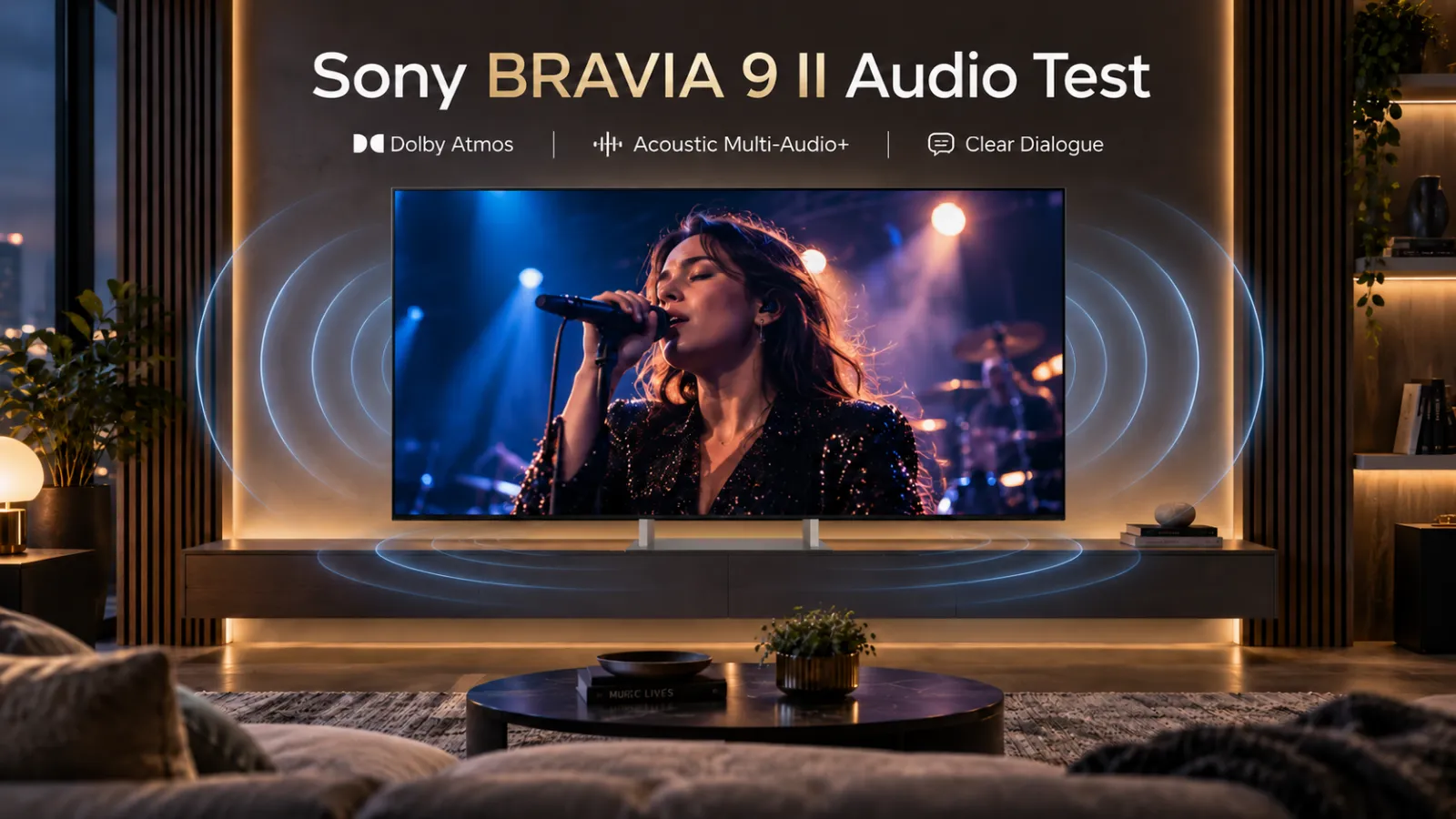
The 65-inch model uses Acoustic Multi-Audio+ with eight speaker units and a total rated output of 80 watts. The system includes full-range speakers, subwoofers, tweeters and beam tweeters designed to make sound appear more closely connected to the action on screen.
Dolby Atmos and DTS:X are supported, while Voice Zoom 3 can emphasize dialogue without simply making the entire soundtrack louder.
Sony also allows the TV to work more closely with compatible BRAVIA Theatre audio products through features such as Acoustic Center Sync.
The built-in system is good enough that owners do not necessarily need to buy a soundbar immediately. A dedicated surround system will still provide deeper bass and a larger soundstage, but the BRAVIA 9 II starts from a much stronger position than most televisions.
The 115-Inch BRAVIA 9 II Is Almost a Different Experience
If 85 inches somehow feels too small, Sony offers a spectacular 115-inch BRAVIA 9 II.
At nearly ten feet diagonally, it moves the television experience much closer to a projector-sized image while retaining the brightness and HDR capability of an RGB LED display.
The enormous model also gets a different audio configuration. Sony equips it with 12 speaker units and 85 watts of amplification.
There are trade-offs, however. The 115-inch version does not have the same Immersive Black Screen Pro anti-glare treatment found on the smaller models, so reflection performance can be noticeably different.
It is also physically enormous and weighs more than 100 kilograms without the stand, so installation is something that needs to be planned rather than treated like a normal TV upgrade.
Sony BRAVIA 9 II vs BRAVIA 9: Is the 2026 Upgrade Worth It?
The original BRAVIA 9 was already one of Sony's strongest Mini LED televisions, but the BRAVIA 9 II is more than a simple processor refresh.
The original 2024 model uses a conventional Mini LED QLED backlight with XR Backlight Master Drive. The 2026 BRAVIA 9 II moves to an RGB LED system with RGB Backlight Master Drive Pro and RGB TRILUMINOS Max.
The newer model also delivers higher HDR brightness and substantially better direct-reflection handling on its 65-, 75- and 85-inch versions.
Gaming features are less dramatically changed. Both generations remain 120Hz TVs and continue to offer only two inputs with the full HDMI 2.1 gaming feature set.
If you already own a BRAVIA 9, upgrading purely for everyday TV viewing is difficult to justify. If you are choosing between them new, however, the BRAVIA 9 II is clearly the more advanced display.
Sony BRAVIA 9 II Pros and Cons
Pros
- Exceptionally bright HDR performance
- True RGB backlight produces vivid, saturated colors
- Very strong local dimming and black levels
- Excellent picture processing and upscaling
- Outstanding performance in bright rooms
- Excellent anti-reflection screen on 65-, 75- and 85-inch models
- Dolby Vision, Dolby Atmos and DTS:X support
- 4K/120Hz, VRR and ALLM gaming
- Excellent PlayStation 5 integration
- Powerful built-in audio system
- Google TV and extensive streaming support
- Available in a massive 115-inch size
Cons
- Only two HDMI ports provide the full 4K/120 and VRR feature set
- No 144Hz or 165Hz gaming mode
- Viewing angles are weaker than OLED
- Some blooming remains visible from off-center seating
- 115-inch version lacks the same anti-reflection treatment as smaller models
- Premium flagship pricing
Who Should Buy the Sony BRAVIA 9 II?
Buy the BRAVIA 9 II if you want a flagship television that performs exceptionally well in both bright and dark rooms.
It is particularly attractive for movie fans who want dramatic HDR without giving up Dolby Vision, sports viewers who regularly watch during the day, and buyers who simply prefer the brightness of a premium LCD television over OLED.
PlayStation 5 owners also get an excellent experience thanks to 4K/120Hz, VRR, ALLM and Sony's automatic HDR integration.
You should consider an OLED instead if perfect blacks, extremely wide viewing angles or pixel-level light control are more important than extreme brightness.
Serious PC gamers may also prefer a competing television with four full-bandwidth HDMI 2.1 ports and support for 144Hz or 165Hz refresh rates.
Sony BRAVIA 9 II Frequently Asked Questions
What is the Sony BRAVIA 9 II?
The Sony BRAVIA 9 II is Sony's flagship 4K LCD television for 2026. It uses a True RGB backlight with independently controlled red, green and blue LEDs.
Is the Sony BRAVIA 9 II a Mini LED TV?
Sony officially describes its backlight as RGB LED and markets the television as True RGB. The technology still uses local-dimming backlight zones behind an LCD panel, and is frequently described as RGB Mini LED technology.
Is the Sony BRAVIA 9 II an OLED TV?
No. It uses an LCD panel with an RGB LED local-dimming backlight. Unlike OLED, it does not control light at the individual pixel level.
What sizes does the Sony BRAVIA 9 II come in?
The BRAVIA 9 II is available in 65-inch, 75-inch, 85-inch and 115-inch screen sizes.
Does the Sony BRAVIA 9 II support Dolby Vision?
Yes. The TV supports Dolby Vision, HDR10 and HLG.
Does the Sony BRAVIA 9 II support 4K at 120Hz?
Yes. It supports 4K/120Hz gaming through compatible HDMI inputs.
Does the Sony BRAVIA 9 II support VRR?
Yes. Variable Refresh Rate is supported through HDMI inputs 3 and 4.
Is the Sony BRAVIA 9 II good for PS5?
Yes. It supports 4K/120Hz, VRR, ALLM, Auto HDR Tone Mapping and Auto Genre Picture Mode with compatible PlayStation 5 consoles.
Is the Sony BRAVIA 9 II good for Xbox Series X?
Yes. Xbox Series X users can use 4K/120Hz, VRR, ALLM and Dolby Vision gaming. The television does not support 1440p gaming in the same way some competing TVs do.
Is the BRAVIA 9 II good for a bright room?
Yes. High brightness and excellent reflection handling make the 65-, 75- and 85-inch BRAVIA 9 II particularly well suited to bright rooms.
Is Sony BRAVIA 9 II better than OLED?
It depends on your priorities. The BRAVIA 9 II can produce much higher brightness in many scenes, while OLED still offers perfect pixel-level blacks and better viewing angles.
Does the Sony BRAVIA 9 II use Google TV?
Yes. Google TV is the built-in smart platform, with access to the Google Play Store, Chromecast, voice search and major streaming services.
Sony BRAVIA 9 II Final Verdict: RGB LED Makes a Strong Case Against OLED
The Sony BRAVIA 9 II is not simply another brighter Mini LED television. Its True RGB backlight represents a meaningful change in how a premium LCD TV can generate both brightness and color.
The result is a television that excels in areas where high-end LED technology still has a major advantage: bright HDR highlights, vivid color and excellent daytime visibility.
Sony's picture processing remains another major reason to consider it. Streaming content, movies and television broadcasts benefit from excellent upscaling, motion handling and low-quality content processing, while Dolby Vision and Studio Calibrated modes give movie fans plenty to work with.
There are compromises. OLED still wins for perfect black precision and viewing angles, while competing gaming TVs offer more HDMI 2.1 ports and refresh rates above 120Hz.
But taken as a complete television, the BRAVIA 9 II is one of Sony's most convincing flagship TVs in years. For buyers who want spectacular HDR, premium movie performance and a television that remains impressive even in a bright living room, the Sony BRAVIA 9 II is one of the standout premium TVs of 2026.